
History & trade
The port of Mocha: the historic gateway that introduced the world to coffee
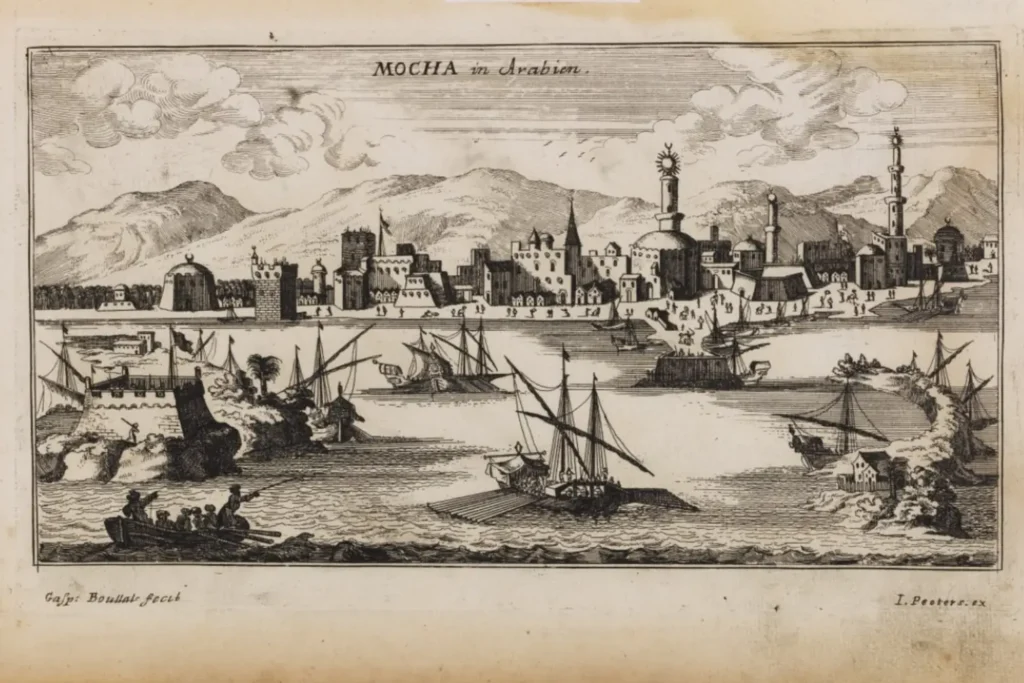
On the shores of the Red Sea, where Yemen’s mountains meet open water, the port of Mocha stands as one of the most important historical witnesses to Yemen’s relationship with the world through the coffee trade. The port was never just a transit point for goods. For many decades it was the first gateway through which traders and travellers from Europe and the East came to know the taste of Yemeni coffee.
The world’s interest in Yemeni coffee goes back to an era when Yemen was among the first places where coffee was cultivated and traded in an organised way. While the markets of Taiz, Ibb and the mountain growing areas saw a busy internal trade between farmers and merchants, the port of Mocha was the last link in that chain: the point from which coffee was shipped to distant ports, across the Red Sea to the markets of the Middle East, and later on to Europe.
This historical role is exactly what made the port’s name a synonym for coffee itself in many languages. The word “Mocha”, familiar to coffee lovers around the world, was originally neither a variety nor a blend; it was the name of the port the coffee was shipped from. Over time the name became tied to Yemeni coffee in particular, then spread across the world’s coffee markets until it became part of the everyday vocabulary of the specialty coffee industry.
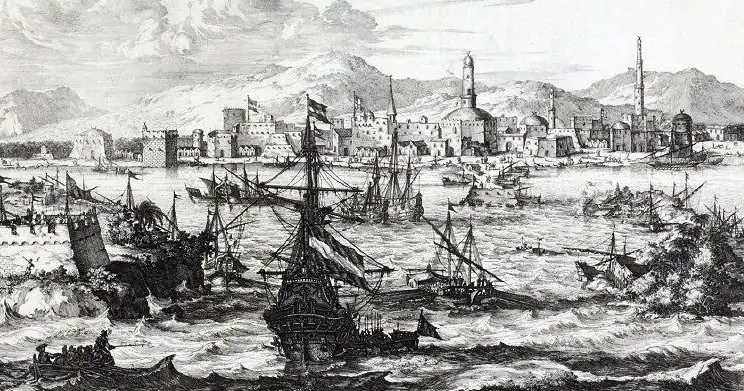
The port’s prosperity was no accident. It came from a strategic position on one of the most important sea routes in history, combined with its closeness to the coffee-growing areas of the Yemeni highlands. That closeness eased the movement of coffee from the mountain farms, through the local markets, to the final point of export — a traditional supply chain that held for centuries before transport and logistics developed into what we know today.
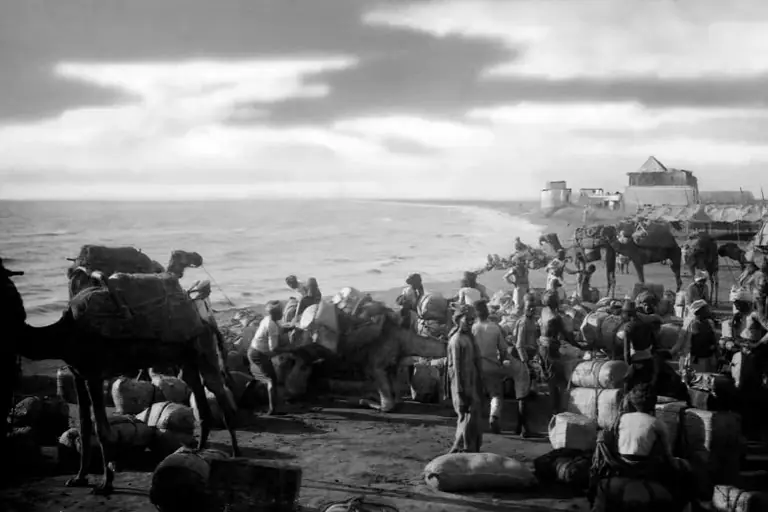
For today’s roasters and importers, this history is not an academic interest. It is part of understanding the identity of what they buy. The Yemeni coffee that reaches specialty roasters today is a direct continuation of that chain: highland farms, then local markets, then shipping ports, then the cup. This historical connection is what sets Yemeni coffee apart in the global market — it is not just an agricultural product, but part of a commercial and cultural story shaped over centuries.
At Mocha Heritage we see this heritage as the foundation on which we build our relationships with roasters and importers today: the same principles on which the Yemeni coffee trade was historically built — trust, commitment and trusted relationships with local farmers and suppliers — are what we carry into every shipment we send.