
Knowing the origin and its data
Our farm data covers 873 farmers and 781.5 hectares of coffee farms in six mountain regions, and from them we select crops that reflect the authenticity and diversity of their origin.
We draw on our knowledge of Yemen’s coffee-growing regions and our relationships with trusted local farmers and suppliers.
Our farm data covers 873 farmers and 781.5 hectares of coffee farms across six Yemeni mountain regions, which helps us select distinctive crops that reflect the authenticity and diversity of their origin.
Mocha Heritage supplies Yemeni green coffee to specialty roasters, importers and distributors around the world. The company is registered in the United Kingdom and carries on a coffee trade that began in the village of Al-Jarabin, Taiz governorate, in 1925.
Three generations separate that first deal from today’s shipments. What has not changed is our knowledge of the growing regions, and our trusted relationships with local farmers and suppliers.
Our farm data covers 873 farmers and 781.5 hectares of coffee farms in six mountain regions, and from them we select crops that reflect the authenticity and diversity of their origin.
We work with local suppliers and processing partners in Yemen to select coffee crops by quality standards and origin characteristics, with close attention to processing, drying, hulling, sorting and export preparation, to meet the needs of specialty roasters and international importers.
Every region is graded before it is offered: zero primary defects, moisture kept between 10 and 12%, and a cupping score from a trained assessor.
A trade that began in 1925 and has been handed down twice. That is the difference between knowing a region and buying from it for a century.
Five single-origin coffees and two blends, each available in two quality ranges — 82–84 and 85–88 on the specialty scale.
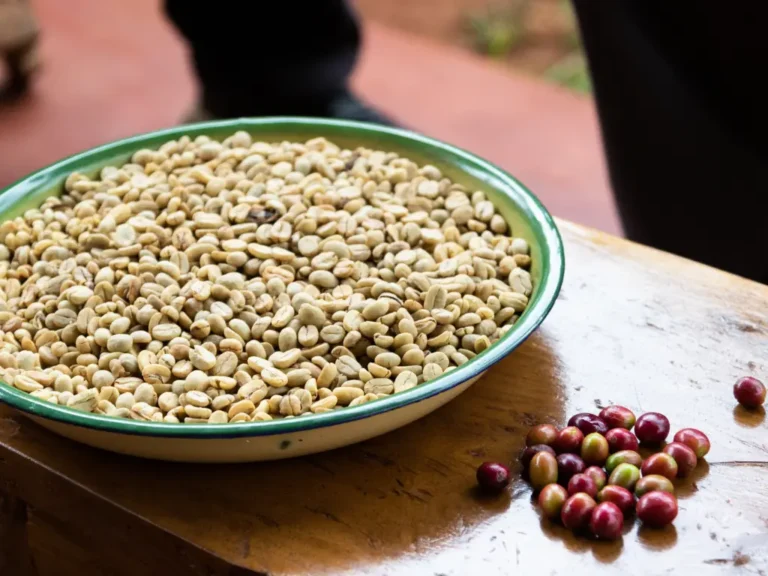
Haymah, Inner and Outer Haymah · Sana’a
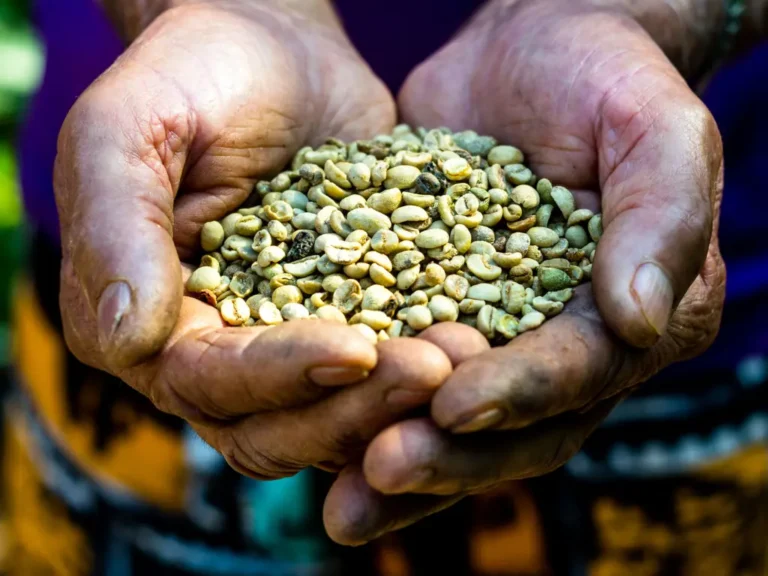
Haraz, Manakhah District · Sana’a
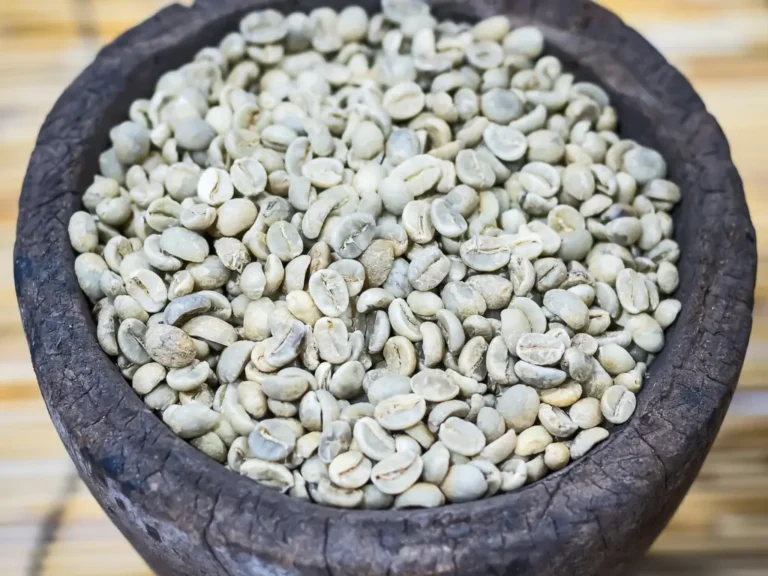
Khawlan Bani Amer, Saqayn, Haydan, Jumaa, Razih, Munabbih, Ghamr · Sa’dah
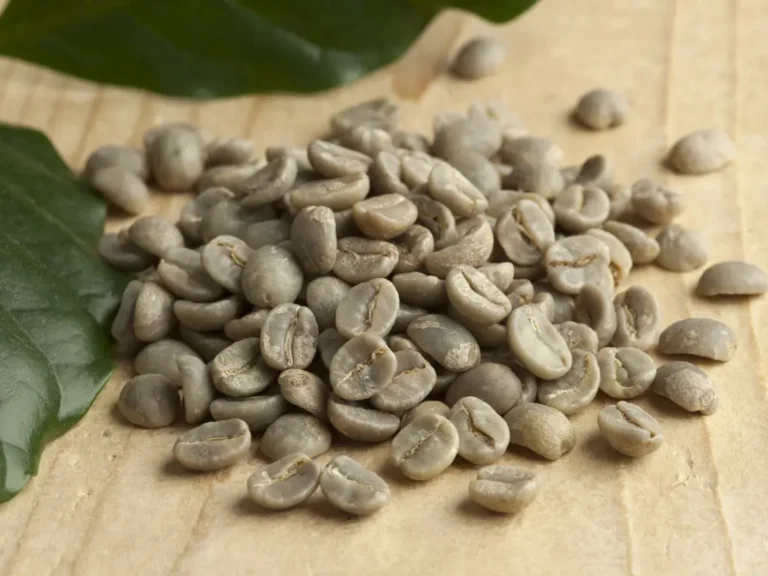
Bani Matar, Bani Matar District · Sana’a
Ibb — Al-Qafr and Al-Udayn, Al-Qafr District · Ibb
Bani Matar, Bani Matar District · Sana’a
Haymah, Inner and Outer Haymah · Sana’a
Ibb — Al-Qafr and Al-Udayn, Al-Qafr District · Ibb
Yemeni coffee is as varied as the mountains it grows on. We source from six regions in Sana’a, Sa’dah, Ibb and Taiz, each with its own altitude range, soil and imprint on flavour.
Quality here is a documented process, not a claim. Moisture is measured, beans are screened and sorted, defects are counted to the SCA standard, and every region is cupped by a trained assessor before it reaches an offer sheet.
The only honest way to assess a coffee is to taste it yourself. Tell us about your type of business, the volumes you work with and the regions that interest you, and our team will choose the right samples.
A heritage of trust, and a present built on documented quality. Start your partnership with Mocha Heritage.