
Three generations, one trade
Abbas — the first generation
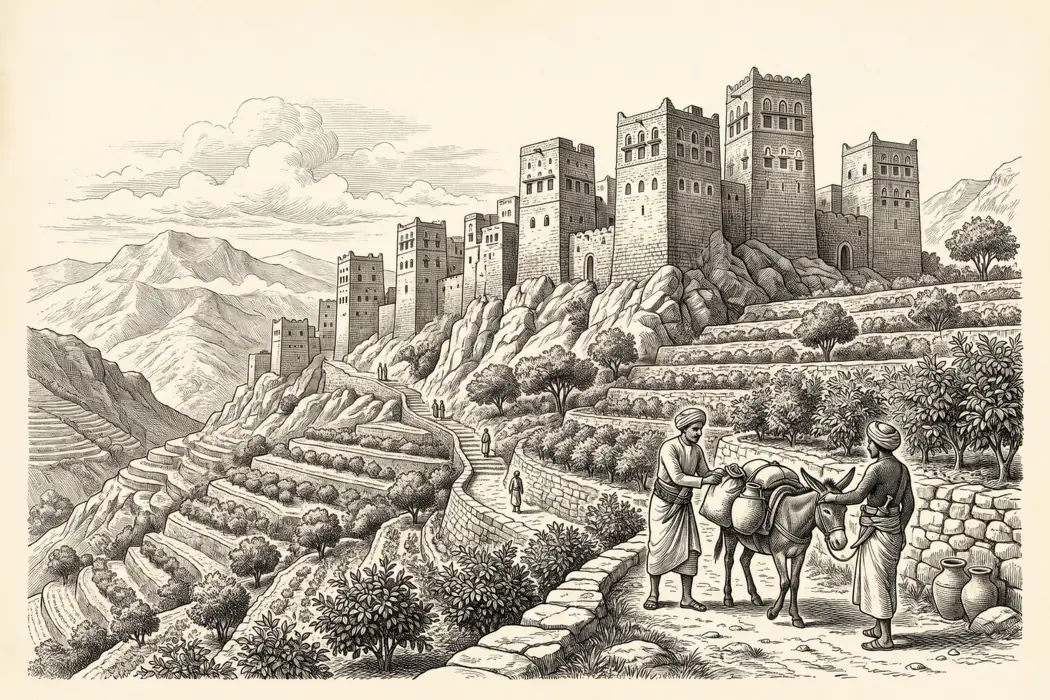
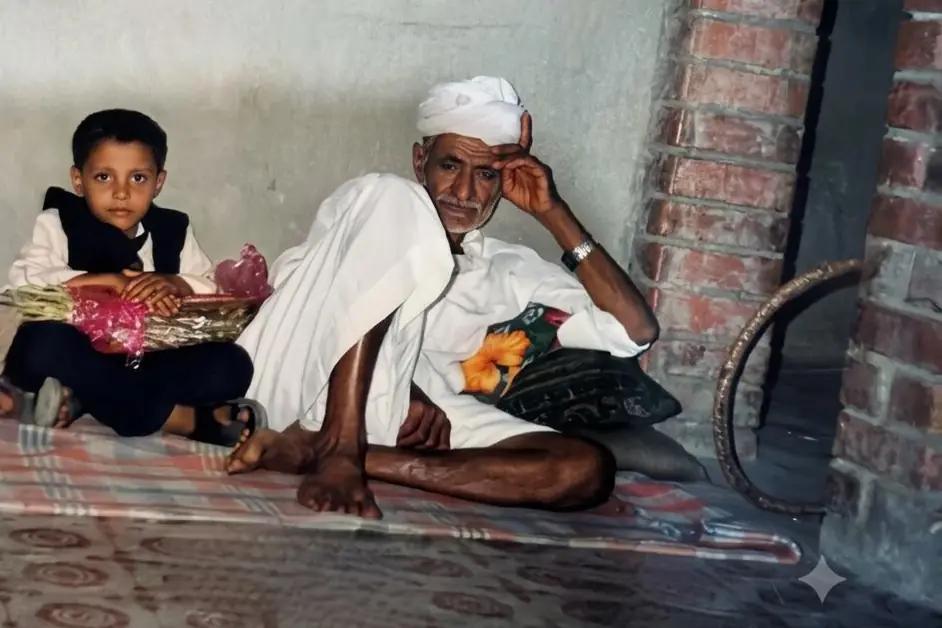
In 1925, in the village of Al-Jarabin in Jabal Habashi district, Taiz governorate, a man named Abbas began trading coffee and honey with his brother Awad. Trade in those days was not an exchange of goods but a language of trust, spoken before it was ever written.
Among farmers and traders, Abbas was known for keeping his word, and for the direct relationships he built stone by stone with everyone he dealt with, from the smallest farmer on the mountain to the trader in the local market.
He never measured his success by how much he sold, but by the reputation he left in every village he visited. That reputation was his real capital, and it paved the way for everything that came after. In a time without telephones or paperwork, a word was a contract, and fair dealing was an investment that lasted for generations.
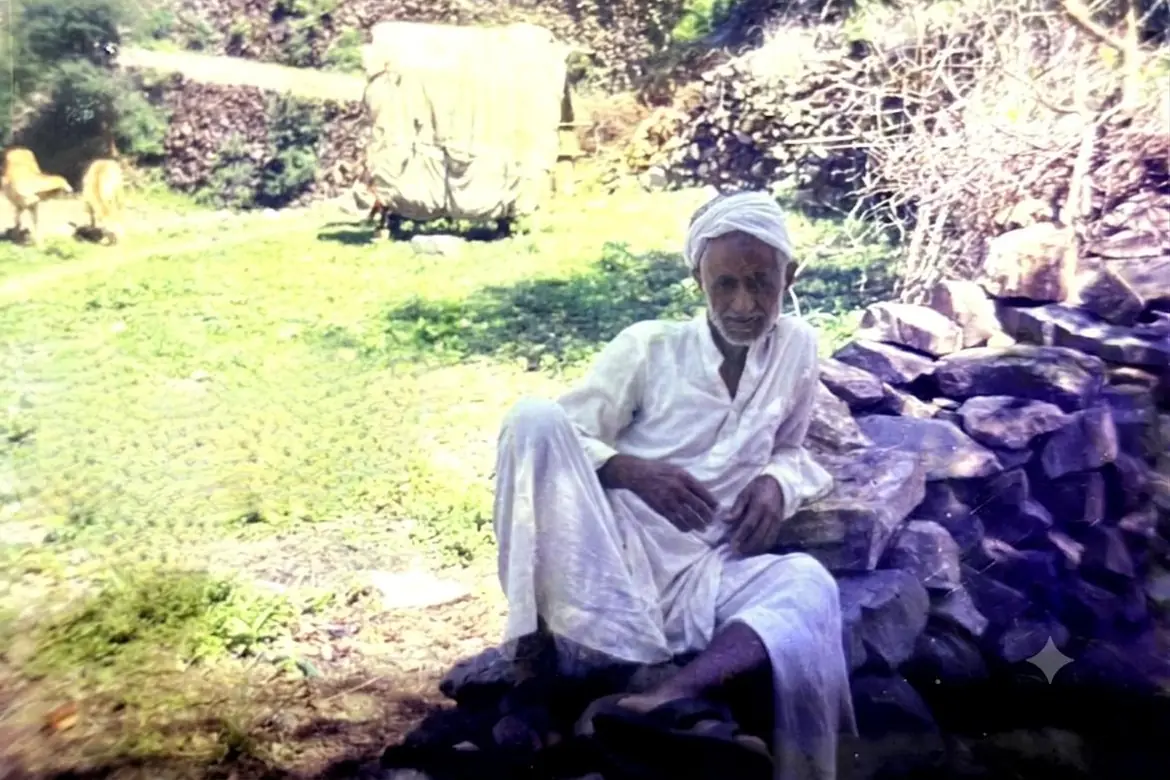
Abdo Abbas — the second generation
Abdo Abbas followed in his father’s footsteps, carrying the same principles he grew up with. He travelled himself to the coffee-growing areas — Sabir Al-Mawadim, Bani Hammad and parts of Ibb governorate — to buy directly from farmers, with no middleman between him and the source of the bean. Those journeys demanded a precise knowledge of the area, the ability to judge a crop by eye, and boundless patience.
After every purchase the real work began: moving the coffee along mountain tracks to the markets of Taiz — Al-Shanini, Al-Burh and Hajdah — on journeys that could last weeks. He did not do it alone; the relationships he built with farmers and traders along the way made the journeys possible, and turned them from carrying goods into a network of trust stretching from the mountaintop to the heart of the market.
The camel journey
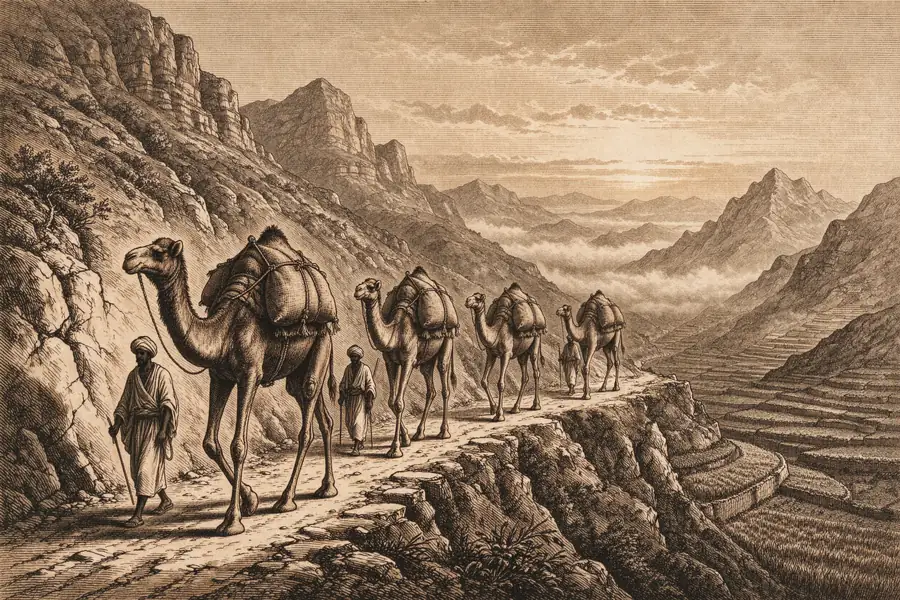
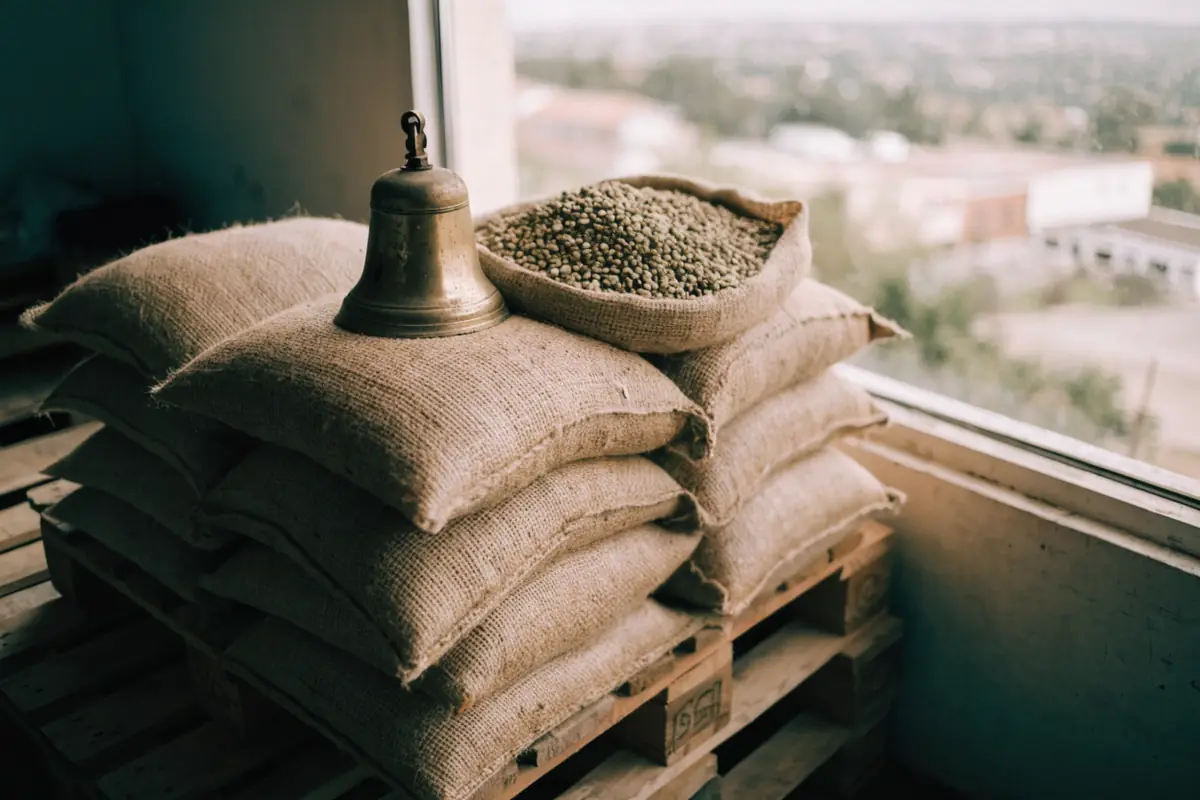
Before sunrise, with mist still hanging between the peaks, the caravan sets off. Sacks of coffee are tied onto the camels’ backs, and the men’s steps hold steady on tracks worn by those who walked them for decades before. The road was never level; it climbs and falls between rock and terraces, through passes wide enough for a single camel, while the bells on the camels’ necks keep the rhythm from dawn to dusk.
These journeys lasted weeks, and the physical distance crossed another, invisible one: between farm and market, between farmer and trader, and between a heritage born in the mountains and a value that someone far away, knowing nothing of its origin, would discover in a single cup.
The smell of raw coffee, the dust of the track, the heat of the day and the cold of the mountain night were all part of a ritual that will not return. But its essence — patience, trust, and finishing the journey as it began — is what Mocha Heritage has inherited.
A time of change
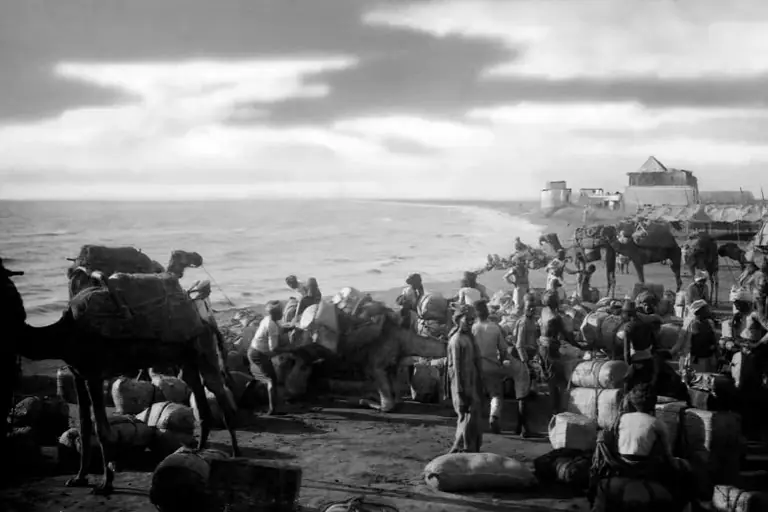
Over time, the nature of trade and transport in Yemen changed. That period marked the beginning of the move away from camel transport, and a family rethink of how to connect a deep-rooted heritage with a wider world. It was less a single defining moment than a gradual repositioning — in which the family held on to the values the trade had been built on since 1925, while recognising that the future of this heritage needed a new horizon.
Founding Mocha Heritage
Mocha Heritage was born from this heritage. Shakib founded the company in the United Kingdom, carrying everything the family had learned since 1925: the value of a direct relationship with the farmer, the weight of a word once given, and the patience every caravan across Yemen’s mountains demanded. To that he added a clear view of a market that now asks for transparency and documentation as much as for flavour.
Today Mocha Heritage works as a bridge between Yemen’s farmers and the world’s roasters, carrying in every shipment the memory of Al-Jarabin, the steps of Abbas and Abdo Abbas, and the sound of camel bells — retold in the language this market understands: trust, commitment and respect.
Timeline
- 1925
Abbas begins trading coffee and honey in Al-Jarabin, Taiz governorate
- 1950s – 1990s
Abdo Abbas buys directly at origin and carries coffee by caravan to the markets of Taiz
- 2005
The move away from traditional caravan transport
- 2024
Mocha Heritage Limited registered in the United Kingdom
- 2026
The first full season offered to specialty coffee buyers internationally
A heritage of trust, and a present built on documented quality. Start your partnership with Mocha Heritage.