
Processing
Natural processing: the traditional method that shaped the character of Yemeni coffee
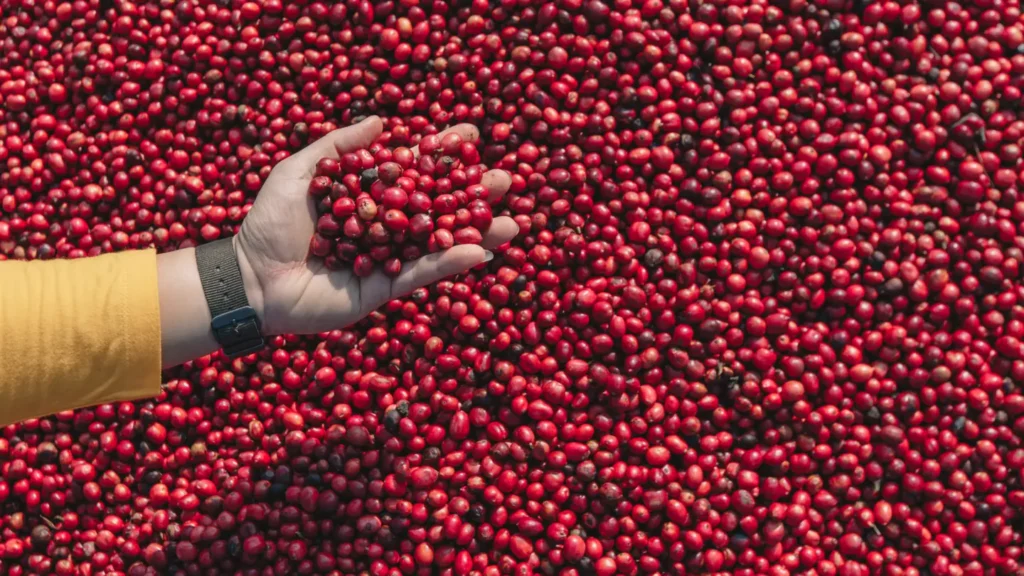
Of all the processing methods known in specialty coffee, natural processing remains the one most closely tied to the identity of Yemeni coffee.
In natural processing — sometimes called the “dry” process — the whole coffee cherry is dried with its skin and pulp, and the husk is removed only once it is completely dry. This is the method Yemeni farmers have known for centuries, long before washing methods spread, which need large amounts of water — a scarce resource on mountain terraces.
The journey starts with picking. Farmers in Haymah, Haraz and Bani Matar pick the cherries by hand in several passes during the harvest season, from October to March, because the cherries on a single tree do not ripen at the same time. The ripe red cherry is the source of sweetness in the cup; green or overripe cherries are sorted out and removed.
After picking, the cherries are spread in thin layers on rooftops or on beds raised off the ground, and left to the sun and air for several weeks. During that time they are turned constantly so the beans dry evenly, and covered at night or when it rains. The raised beds let air pass beneath the cherries, which reduces trapped moisture and the risk of mould.
When the moisture of the beans falls to the required level — about 11% in our lots — the dried cherries go to hulling: the dry husk is removed and the green coffee is taken out, then sorted by size and density and cleared of defective beans before packing.
This method has a direct effect on taste. Keeping the cherry whole during drying lets the sugars in the pulp pass into the bean, so the cup comes out with clearer sweetness, a heavier body and fruity notes — from tamarind and dried fruit to berries and cherry — the very flavours historically tied to the name “Mocha”.
But natural processing does not forgive neglect. Uneven or overlong drying can leave an unwanted fermented taste, or defects that show up at the cupping table. That is why it needs the farmer’s experience and attention day by day, and moisture and density checks before shipping.
Alongside traditional natural processing, our range includes an anaerobic coffee, whose cherries are fermented in sealed containers before drying, which gives the cup a more intense character. In every case we state the processing method of each lot clearly, because a roaster needs to know what it is buying before roasting it.